
Health
Our State, Our Wellbeing: By the Numbers
Michael Welker, ncIMPACT Directorof Policy and Research Partnerships
October 16, 2026
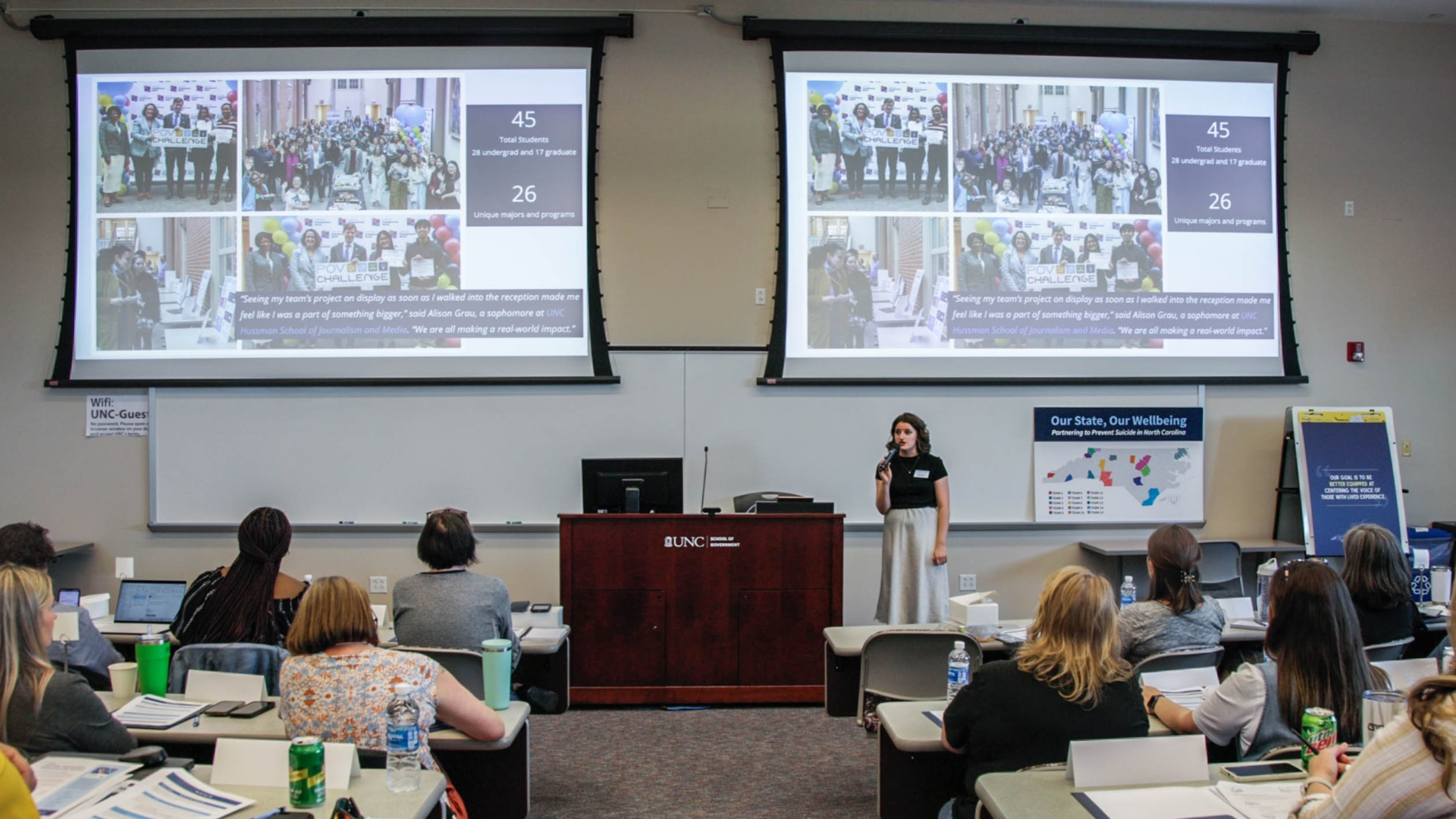
As Carolina Across 100 winds to a close, our team has been looking back at the impact and outcomes of our programs over the last five years. Our second effort, Our State, Our Wellbeing, focused on suicide prevention and community mental health and was conducted in partnership with the UNC Suicide Prevention Institute. The program wrapped in August 2024, but nearly two years later there are still insights and accomplishments worth noting from the teams.
In a few weeks, we will release a case study report capturing these insights and offering ideas for other communities interested in collaborative efforts for suicide prevention. However, we already know much about what the teams did over their time in the program. Here's what data from the teams tells us about their work.
Engaging Community Partners
Community partnership is a key part of the process and a major community outcome across all Carolina Across 100 programming. Our cohort-based programs encourage collaborative teams to work with partners across sectors to address complex challenges.
In the case of suicide prevention and community-based mental health work, this matters even more. Parts of the mental health system can be heavily siloed, and many community members may hesitate to engage directly with clinicians, therapists, or other mental health professionals. Creating networks of support with other trusted community members and organizations can be vital for ensuring that people get connected to the right resources, information, and support when they need it.
To this end, teams established connections with 410 new community organizations over the course of the program. These included educational institutions, community-based nonprofits, employers, faith communities, and many others who are now engaged in collective efforts toward suicide prevention.
Promoting Awareness and Reducing Stigma
One of the cohort's major focuses in Our State, Our Wellbeing was stigma reduction and mental health. Teams wanted residents to be aware of local mental health resources, feel comfortable talking openly about their needs, recognize warning signs for suicide and mental health crises, and know how to connect people to help.
Trainings and events were a critical strategy for this work. Over the 12 months of the program, teams collectively held 661 events and trainings reaching more than 19,000 attendees. From broad community events to targeted trainings in suicide prevention protocols, all these efforts helped equip
Teams also widely shared informational materials to ensure that knowledge about warning signs and available resources were disseminated throughout the community. The teams distributed 57,751 informational materials in physical and virtual formats, often taking the form of resource guides, psychoeducational tools, and referral information. The program roughly coincided with the launch of the 988 Suicide & Crisis Lifeline, so promotional materials for the new resource – including magnets, stickers, posters, and other physical items – also ended up being a major focus in this area.
Providing Targeted Resources and Services
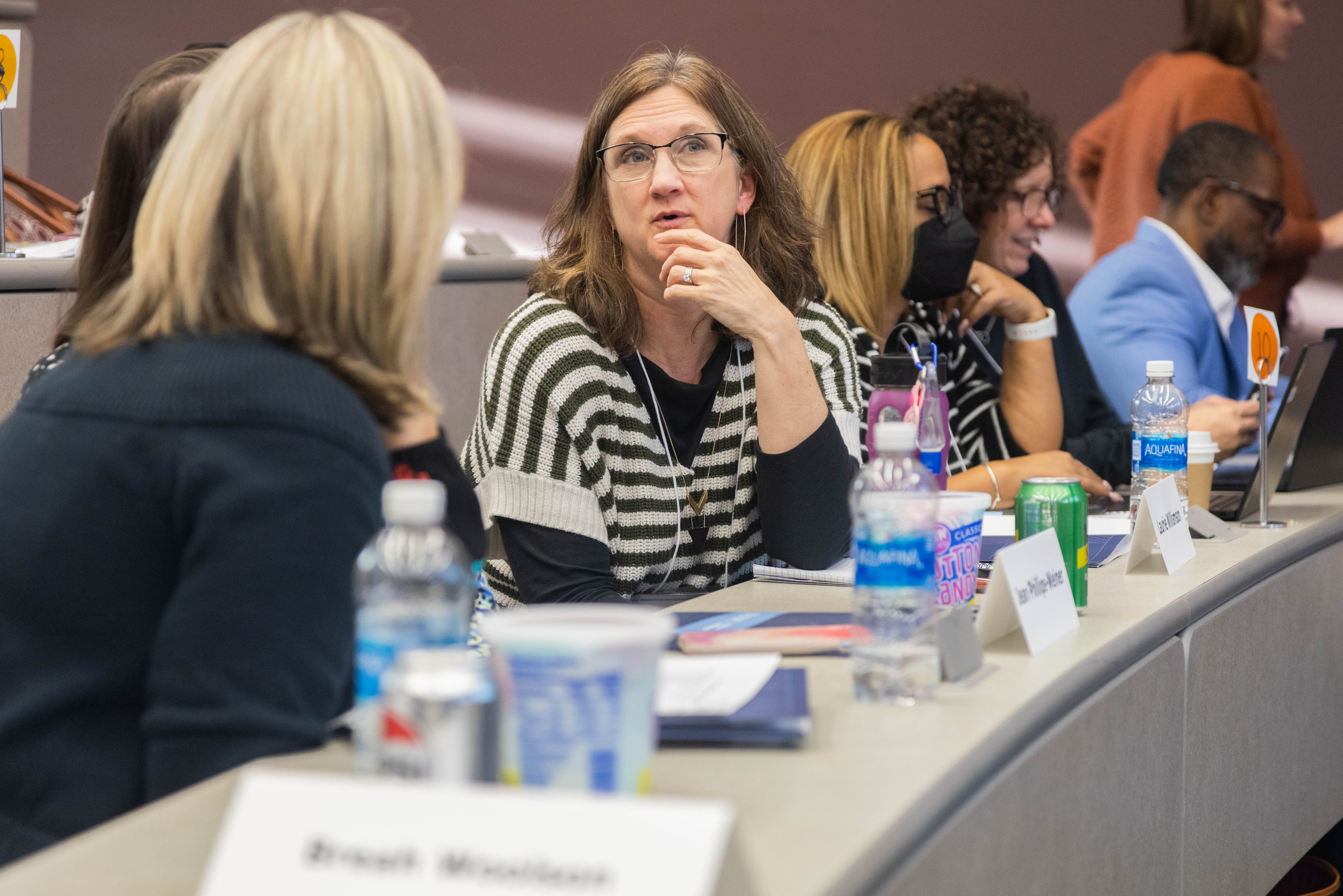
Beyond information and awareness, teams also sought to offer resources and services that contribute more directly to prevention work. For example, many teams included clinicians and mental health providers, who collectively delivered 1,641 services during the program. These included individual counseling, group counseling, and peer supports.
Teams also thought about how to address the means of suicide. After being presented with data on the prevalence of suicide deaths by firearm, the teams partnered with state agencies including the NC Department of Public Safety and the NC Department of Health and Human Services, teams distributed gun locks through their events and networks. Over the course of the program, they distributed more than 5,006 gun locks, helping reduce potential risk. Many others also distributed naloxone and promoted the safe storage of medications to reduce risk from overdose and poisoning, another leading means of suicide.
What's Next?
Measuring suicide prevention efforts is challenging because it is hard to capture the impact of the work, but the signals from the team's data during the program is encouraging: simply put, more people in more places are better equipped with information they need to seek or provide support those who might be at risk of suicide. Our hope – and our belief – is that this work will strengthen prevention at a wider scale by contributing to stronger community systems of support.
We also know now that the team's work continues. As we interviewed teams for our upcoming case study report, we learned that all 15 of the Our State, Our Wellbeing collaboratives are still active. Some continue in their original form, while others have seen their leadership or structure evolve, but all remain committed to the work.
Carolina Across 100 and Suicide Prevention Institute have also continued to support the teams' work. Earlier this spring, we offered mini-grants to the teams to continue expanding training, hosting community events, and distributing resources to community members. Six of the 15 teams are also now participating in CARE4Youth, a collaborative program focused more narrowly on youth mental health that will run until 2028.
We are proud of the teams' accomplishments and continued work to promote mental health and prevent suicide. We believe that many other communities can learn from their work, and to that end, we look forward to sharing the Our State, Our Wellbeing case study report later this fall. Keep an eye out for this new resource and guide to community-based suicide prevention coming soon.
Carolina Across 100 is a five-year initiative whose goal is to aid community-driven recovery and build sustainable efforts in all 100 counties by providing human resources, data insights, coaching, facilitation, coordination efforts, and program design.